
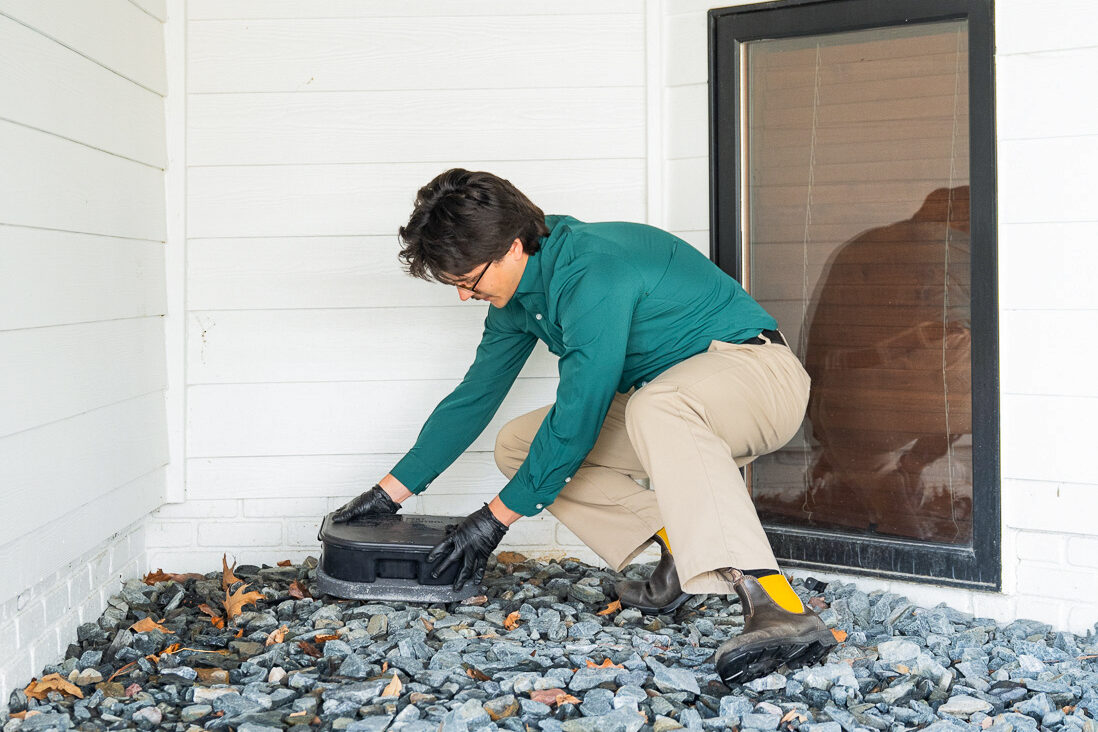
Commercial buildings offer rodents exactly what they need to survive: food, water, shelter, and countless places to hide. Whether you manage an office, warehouse, retail center, or healthcare facility, a single mouse or rat can quickly become a much larger problem if the conditions are right.
Effective commercial rodent control isn’t just about eliminating rodents after they’re found. It’s about making your building difficult for them to enter and unattractive once they’re outside. The most successful programs combine structural improvements, routine inspections, sanitation, and ongoing monitoring to stop infestations before they start.
Rodent prevention requires a proactive approach. By understanding why rodents target commercial properties and where they gain access, business owners and property managers can reduce the risk of costly infestations before they disrupt daily operations.
Why Rodents Choose Commercial Buildings
Rodents are constantly searching for three basic necessities: food, water, and shelter. Commercial properties naturally provide all three, making them attractive places to nest and reproduce.
Beyond property damage, rodents can contaminate food, damage electrical wiring, destroy inventory, and create health and safety concerns for employees and customers. In many industries, a rodent infestation can also lead to failed inspections, regulatory issues, or damage to a company’s reputation.
Some of the most common conditions that attract rodents include:
- Food waste around dumpsters and break rooms
- Standing water from plumbing or HVAC systems
- Warm mechanical rooms and storage areas
- Cluttered spaces that provide nesting sites
- Landscaping that offers cover near the building
- Poorly maintained waste disposal areas
Even clean, well-maintained buildings can experience rodent problems if small entry points are left unsealed.
Where Rodents Enter Commercial Buildings
One of the biggest challenges in rodent infestation prevention is identifying every place rodents can enter a building.
Mice can squeeze through openings as small as ¼ inch, while rats can enter through gaps around ½ inch wide.
Rodents often travel along utility lines, fences, landscaping, and building edges because these areas provide protection and frequently lead to structural openings. Regular exterior inspections can help identify vulnerable areas before rodents gain access.
During commercial inspections, technicians commonly find rodents entering through:
- Utility penetrations
- Loading dock gaps
- Damaged door sweeps
- Roof vents
- Foundation cracks
- Expansion joints
- Pipe and conduit openings
- HVAC line penetrations
- Missing weather stripping
- Gaps around overhead doors
Without proper rodent entry point sealing, removing rodents only solves part of the problem. If access points remain open, new rodents can quickly replace the ones that were removed.
7 Proven Ways to Keep Rodents Out of Commercial Buildings
1. Seal Entry Points
One of the most effective forms of commercial structural pest proofing is sealing every potential access point around your building.
This may include installing:
- Steel mesh
- Metal flashing
- Rodent-resistant sealants
- Heavy-duty door sweeps
- Vent screens
- Weather stripping
Professional exclusion work focuses on materials rodents cannot easily chew through, creating a long-term barrier against future infestations.
2. Eliminate Food Sources
Rodents stay where food is easy to find.
Businesses can reduce their risk by:
- Cleaning spills immediately
- Storing food in sealed containers
- Emptying trash regularly
- Cleaning dumpster areas
- Removing clutter that collects food debris
- Inspecting deliveries for signs of rodent activity
Even small amounts of food can support a growing rodent population.
3. Reduce Water and Moisture
Water is just as important to rodents as food.
Inspect your property for:
- Leaking pipes
- HVAC condensation
- Standing water
- Irrigation leaks
- Poor drainage
- Clogged gutters
Correcting moisture issues makes your building less attractive to rodents while also helping prevent structural damage.
4. Maintain the Building Exterior
The outside of your building is your first line of defense and plays an important role in commercial building pest management.
Good exterior maintenance includes:
- Trimming shrubs away from exterior walls
- Keeping tree branches off the roof
- Removing debris and unused pallets
- Keeping dumpsters closed
- Repairing damaged siding, masonry, and concrete
- Keeping vegetation away from utility penetrations
The fewer hiding places rodents have around your property, the less likely they are to establish nests nearby.
5. Keep Storage Areas Organized
Storage rooms often become overlooked nesting areas.
To reduce the risk:
- Store inventory off the floor
- Rotate stock regularly
- Remove excess cardboard
- Keep aisles accessible for inspections
- Avoid long-term clutter
An organized storage area makes it easier to identify rodent activity before it spreads throughout the building.
6. Monitor for Early Signs
Routine inspections help catch problems while they’re still manageable.
Watch for:
- Droppings
- Gnaw marks
- Grease marks along walls
- Chewed packaging
- Nesting materials
- Scratching noises
- Burrows near foundations
Early detection often means a smaller, less expensive problem to solve.
7. Use an Integrated Pest Management (IPM) Approach
The strongest business pest control strategies don’t rely on traps alone.
Integrated Pest Management (IPM) combines:
- Routine inspections
- Exclusion and structural repairs
- Sanitation improvements
- Monitoring devices
- Targeted treatments when needed
Unlike reactive treatments that focus only on eliminating rodents, IPM addresses the conditions that allow infestations to develop. This makes it one of the most effective long-term approaches for commercial properties.
At Alta Pest Control, we use an Integrated Pest Management (IPM) approach as part of our commercial pest control services. Rather than simply treating the pests you see, we identify entry points, recommend exclusion and sanitation improvements, monitor pest activity, and apply targeted treatments only where they’re needed. This proactive strategy helps businesses reduce pest pressure and maintain long-term protection.
Common Mistakes Businesses Make
Many recurring rodent problems can be traced back to preventable issues.
Some of the most common mistakes include:
- Waiting until rodents are seen before taking action
- Sealing only obvious holes while missing smaller entry points
- Allowing dumpsters to overflow
- Ignoring plumbing leaks
- Storing inventory directly against walls
- Assuming one treatment permanently solves the problem
Long-term prevention requires routine maintenance, building inspections, and ongoing monitoring.
When to Call a Commercial Rodent Control Professional
If employees are seeing rodents during business hours, finding droppings regularly, or noticing damaged products or wiring, the infestation may already be established.
A professional commercial rodent control program can identify hidden entry points, recommend structural improvements, implement monitoring systems, and develop a customized prevention plan based on your property’s layout and level of risk.
Rather than simply treating the symptoms, professional pest management focuses on preventing future infestations through exclusion, sanitation improvements, and long-term monitoring. Contact us today to learn more about professional commercial rodent control services!
Protect Your Business with Alta Pest Control
Keeping rodents out of a commercial building requires more than traps or bait stations. Long-term success comes from identifying entry points, improving sanitation, sealing structural gaps, and monitoring for new activity before an infestation grows.
Whether you manage a warehouse, office building, retail center, healthcare facility, or industrial facility, Alta Pest Control provides customized commercial pest management programs designed to protect your property year-round.
Our experienced technicians use an Integrated Pest Management (IPM) approach that combines thorough inspections, exclusion techniques, targeted treatments, and ongoing monitoring to help prevent rodents from returning.
Ready to protect your business?
Learn more about our Commercial Pest Control Services or request a free estimate to see how Alta Pest Control can help safeguard your property.
Frequently Asked Questions
What is commercial rodent control?
Commercial rodent control is a pest management program designed to prevent, monitor, and eliminate mice and rats in businesses through inspections, exclusion techniques, sanitation recommendations, monitoring systems, and targeted treatments.
What is rodent entry point sealing?
Rodent entry point sealing is the process of closing gaps, cracks, and structural openings using durable materials that prevent mice and rats from entering a building.
How can businesses prevent rodent infestations?
The most effective approach combines commercial structural pest proofing, good sanitation, routine inspections, proper waste management, building maintenance, and ongoing monitoring to eliminate the conditions rodents depend on.
Share article: