
What Are Globular Springtails?
Have you ever noticed tiny, round bugs hopping around your soil, porch, or even inside your bathroom? Chances are, you’ve run into sminthurid springtails or globular springtails. While they may look strange (and even alarming in big numbers), these little creatures are harmless.
At Alta Pest Control, we get questions about them, like what they are, where they come from, and how to get rid of them. We also provide friendly solutions to keep them under control when you start noticing them around your home. Check out our locations to see if we can service your area.
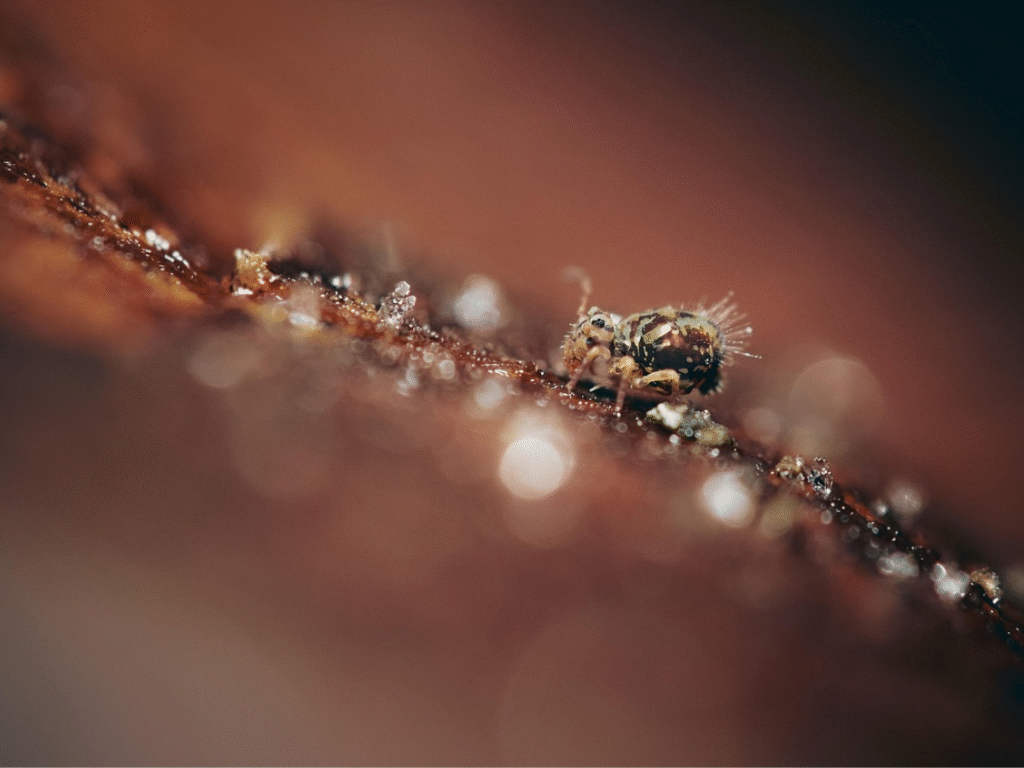
What Are Globular Springtails?
Sminthurid springtails are tiny soil-dwelling springtails that sometimes appear in and around homes. Unlike their slender relatives, these springtails have a round, globe-shaped body that makes them stand out. They’re tiny, soft-bodied creatures that live in damp areas, feeding on things like fungus, mold, and decaying plants.
Globular springtails are found all over the United States and in many other parts of the world, too. They’re not limited to one region or climate because they adapt easily to different environments as long as there’s enough moisture.
You’ll most often find them in:
- Damp gardens and mulch beds
- Moist basements or crawlspaces
- Leaf piles, compost, and potted plants
- Around windows, sinks, or bathrooms indoors
They’re especially common in areas with high humidity or frequent rainfall, but even in drier states, they can pop up wherever there’s water, mold, or decaying organic matter. They sometimes make their way inside when conditions are right. While they don’t bite, sting, or spread disease, their sudden appearance in large groups can be unsettling for homeowners.
How Big Are Globular Springtails?
Globular springtails are extremely small, usually measuring only 1–2 millimeters in length. To put that in perspective, they’re about the size of a pinhead. Because of their tiny size, it can be hard to spot a single springtail. What most people notice is the way they gather in large numbers and move around quickly, especially in damp areas like basements, bathrooms, or near potted plants.
Even though they’re minuscule, their unique shape sets them apart. Unlike other insects that are long and thin, globular springtails have a round, ball-like body, which is why they earned the name “globular.” When you see them up close, they almost look like tiny moving beads.
What Can Be Mistaken for Springtails?
Because of their size and hopping behavior, springtails are often confused with fleas. Both insects are small, fast, and capable of jumping when disturbed. The key difference is that fleas bite and feed on blood, while springtails don’t bite or harm people or pets at all.
They can also be mistaken for mites, mold spores, or even grains of dirt. Homeowners often first notice them on windowsills, sinks, or bathroom tiles, where they look like specks until they suddenly start moving. If you’ve ever thought you had fleas but your pets weren’t itching, there’s a good chance what you saw were springtails.
What Do Globular Springtails Eat?
Globular springtails survive on a diet of fungus, mold, algae, and decaying organic matter. Outdoors, they play an important role as recyclers—they help break down dead plants and return nutrients to the soil.
Indoors, however, their diet becomes a clue to what’s happening in your home. If you’re seeing springtails inside, it usually means there’s excess moisture, mold growth, or rotting organic material nearby. For example, overwatered houseplants, damp wood, or moldy areas in basements and crawlspaces can all attract them.
Things to Know About Sminthurid Springtails
- Moisture is the main factor. Springtails thrive in damp conditions. Fixing leaks, improving ventilation, and using dehumidifiers often reduces their numbers.
- They don’t damage homes. Unlike termites or carpenter ants, springtails don’t chew wood or cause structural harm.
- They may signal hidden issues. If you see springtails indoors, it could mean there is excess moisture, mold, or mildew in your home.
- They move in groups. You might see hundreds of them clustered around windowsills, bathrooms, or potted plants.
- They are seasonal. Populations often increase during wet weather or after heavy rainfall.
Can Springtails Infest Humans?
No—springtails cannot infest humans or pets. They don’t bite, sting, burrow into skin, or spread diseases. Even though they jump like fleas, they don’t feed on blood and pose no direct health threat.
That said, their presence indoors is a sign of a different problem: too much moisture. If you’re seeing springtails, it often means your home has high humidity, water leaks, or hidden mold growth. While the bugs themselves are harmless, the conditions that attract them may not be. Addressing the moisture issue not only gets rid of springtails but also helps keep your home healthier overall.
What to Do If You Need Help with Globular Springtails
While globular springtails aren’t dangerous, dealing with large numbers of them inside your home can be frustrating. If you’ve tried fixing the issue yourself but still notice springtails hopping around, it may be time to bring in a professional. Our friendly team is trained to handle springtails and other nuisance pests, and we’ll work with you to make sure your home stays dry and comfortable.
Contact Alta Pest Control today to schedule your service and say goodbye to unwanted springtails for good.