
What Are House Springtails?
Springtails are tiny insects that love moisture and can show up in unexpected places inside your home. They don’t bite or damage property, but seeing them jump across your bathroom floor or around your kitchen sink can be unsettling. At Alta Pest Control, we help homeowners identify and eliminate springtail infestations.
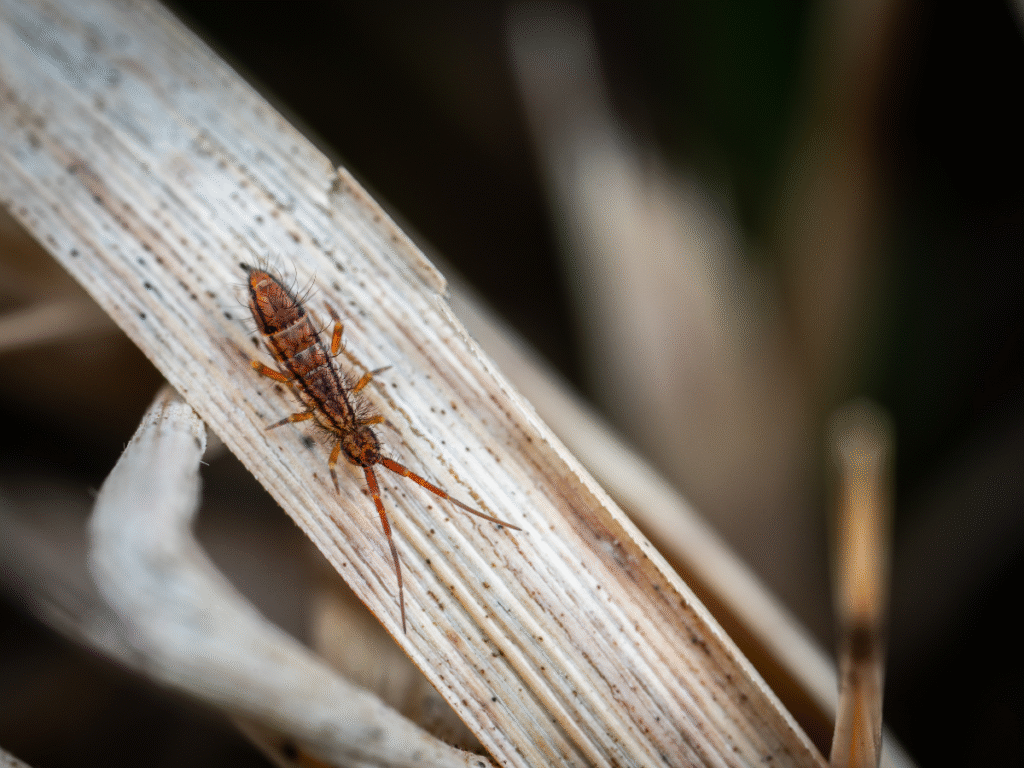
Springtails are one of the oldest known insect groups on Earth. Their fossils date back over 400 million years! Springtails are small, wingless insects that measure less than 1/8 inch long. They get their name from a forked tail-like structure called a furcula, which allows them to jump when disturbed. Most people notice them in damp areas, including:
- Bathrooms and laundry rooms
- Under sinks
- Around leaky pipes or drains
- Near windowsills or houseplants
Springtails feed on mold, fungi, and decaying organic matter. Their presence often means there’s a hidden moisture problem somewhere in your home.
What Causes Springtails in Your House?
Springtails usually show up indoors when there’s too much moisture in the air or around certain areas of the home. These tiny insects thrive in damp conditions and feed on mold, fungi, and decaying organic matter. When humidity levels rise or small leaks go unnoticed, they can quickly move inside. Bathrooms, kitchens, basements, and laundry rooms are common spots because they often stay warm and humid. Leaky pipes, dripping faucets, or overwatered houseplants make it even easier for springtails to settle in.
Outside, they live in mulch, soil, and leaf piles, but if that outdoor moisture seeps inside, they’ll follow. Keeping your home dry by fixing leaks, improving ventilation, and reducing humidity makes a big difference in keeping springtails away.
What Can Be Mistaken for Springtails?
Because springtails are tiny and move quickly, they’re often mistaken for other pests. You might confuse them with:
- Fleas – Both jump, but fleas bite while springtails do not.
- Gnats – Springtails can look like small black dots, but they don’t fly.
- Mites – Some mites are similar in size but crawl instead of jumping.
If you’re not sure which pest you’re dealing with, our Alta team can help identify it and explain your treatment options.
Will Springtails Go Away on Their Own?
Not usually. Springtails multiply fast, especially in humid environments. If the moisture source remains, they’ll keep coming back. Drying out affected areas can reduce the population temporarily, but lasting control usually requires:
- Dehumidifying basements or crawl spaces
- Fixing leaks and sealing cracks
- Professional treatment to remove existing infestations
At Alta Pest Control, our team uses family- and pet-friendly products to target springtails. Check out our locations to see if we can service your area.
Are Springtails Harmful?”
Springtails don’t bite, sting, or spread disease. They’re mostly a nuisance pest, not a threat. Still, seeing hundreds of them appear overnight can feel overwhelming. Their presence often signals a hidden issue like excess humidity or water leaks, which can lead to mold growth or attract other pests. So, while they’re harmless to people and pets, they’re a good sign that your home needs some moisture control
What Are the Signs of a Springtail Infestation?
You might notice:
- Tiny black, gray, or white dots that jump when disturbed
- Groups of insects gathered near windows, drains, or moist walls
- Persistent sightings even after cleaning or drying the area
They’re most visible after heavy rain or in rooms where moisture collects. Even though they don’t pose health risks, large infestations can be frustrating and hard to manage without professional help.
What’s the Difference Between House Springtails and Other Kinds?
Springtails come in hundreds of species. The difference mainly comes down to where they live and what attracts them.
House springtails are species that have adapted to survive indoors. They thrive in damp, humid spots like bathrooms, basements, and kitchens where there’s moisture and organic material to feed on. These are the ones most people see jumping around sinks or tubs.
Outdoor springtails usually stay in soil, leaf litter, mulch, and decaying vegetation. They play a helpful role in nature by breaking down organic matter. However, during heavy rain or prolonged dry periods, they often migrate indoors in search of moisture.
In short:
- House springtails: live year-round indoors, thrive in humidity, and are attracted to leaks or damp areas.
- Outdoor springtails: live outside in soil or mulch, occasionally invade homes when conditions change.
Say Goodbye to Springtails
If you’re seeing small jumping bugs in your bathroom, kitchen, or basement, contact Alta Pest Control for help. We’ll remove springtails and make sure they don’t come back.