
What Are Garden Springtails?
Garden springtails are tiny springtails found in moist, decaying organic matter like soil and leaf litter. If you’ve ever noticed tiny, hopping bugs in your garden soil, chances are you’ve met springtails. These minuscule creatures are often mistaken for fleas because of how they jump, but they aren’t harmful pests.
Let’s explore what springtails are, why they appear in gardens, and how to handle them if they become too noticeable.
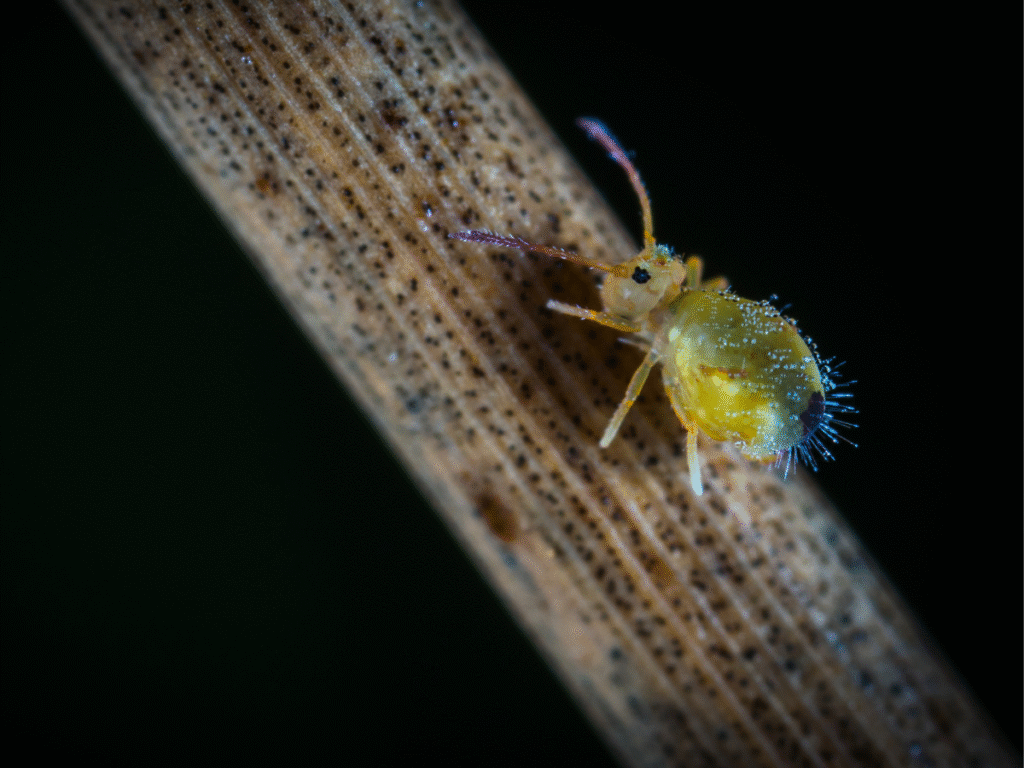
What Exactly Are Garden Springtails?
Springtails are tiny insects, usually less than 1/8 inch long, that thrive in moist environments. They get their name from the forked appendage on their underside called a furcula, which acts like a spring, allowing them to hop away when disturbed. Unlike fleas, they don’t bite or feed on blood. Instead, they feed on fungi, mold, algae, and decaying plant matter.
Why Do I Suddenly Have Springtails?
Springtails thrive in moist environments. If you’ve suddenly noticed them, it’s likely because your garden has:
- Overwatering or heavy rainfall
- Thick mulch or compost that holds in moisture
- Shady spots with poor drainage
When conditions are just right, damp, dark, and full of organic material, their numbers can grow quickly, making them more noticeable. You don’t want them in your garden. Professional pest control services can help keep them out for good.
Are Springtails Good for a Garden?
Yes, in most cases, springtails are actually helpful. They feed on decaying plant matter, fungi, and algae, helping break these materials down into nutrients your plants can use. A healthy population of springtails can be a sign of fertile, organic-rich soil.
Springtails may look concerning at first, but most of the time, they’re more of a nuisance than a threat. If you’re dealing with an infestation that feels out of control, or if these pests are making their way indoors, Alta Pest Control is here to help.
Are Springtails Good or Bad?
The truth is, they can be both. They recycle nutrients, improve soil quality, and typically do not harm mature plants. In large numbers, springtails can sometimes nibble on tender seedlings, young roots, or leaves when other food sources are scarce. Indoors, they can also become a nuisance if they migrate into damp areas like basements or bathrooms.
How to Tell if You Have a Garden Springtail Problem
Seeing a few springtails in your soil is normal and usually nothing to worry about. But if their numbers grow too high, you may notice signs that point to a springtail problem:
- Clusters of tiny jumping bugs: When you water or disturb the soil, you’ll see them spring into the air like fleas.
- High moisture areas crawling with activity: Overwatered soil, mulch beds, or compost piles may look like they’re moving because of all the springtails.
- Seedling damage: While rare, heavy springtail populations can sometimes chew on tender sprouts or roots, leaving behind wilted or stunted young plants.
- Indoor migration: In extreme cases, springtails may leave the garden and show up inside your home, especially in bathrooms, kitchens, or basements with high humidity.
If you only see a handful of springtails in your garden, they’re likely just part of the natural ecosystem. If you notice large swarms or plant damage, it’s worth taking steps to get rid of garden springtales.
How to Get Rid of Springtails in a Vegetable Garden
Springtails are attracted to moisture. If your garden soil is damp and rich in organic matter, you’re likely to see them. If you’d rather not share your garden with springtails, here are some ways to reduce their numbers.
- Avoid watering your garden too much.
- Break up compacted soil and avoid water pooling around plants.
- Use only a light layer of mulch so the soil doesn’t stay soggy.
- Trim back dense plants and allow sun to reach the soil.
If you’re experiencing issues with garden springtails, contact us for professional assistance. Check out our locations to see if we can service your area.