
Clover mites are tiny pests that can quickly become a problem once they slip inside your home. They may be small, but when you see them in large numbers, they can be hard to ignore. The best way to learn how to get rid of clover mites is to first understand how to spot them and what tends to draw them indoors.
There are different ways to handle clover mites, whether you want to use natural methods or stronger treatments. It’s also important to tackle the problem both inside and outside your home, since that’s the key to keeping these common garden pests from coming back.
Identifying Clover Mites and Their Traits
Clover mites are very small arachnids, only about 0.75 to 1 millimeter in size, which makes them tough to see without looking closely. Adults are reddish-brown, while the younger ones and their eggs are bright red. They have eight legs along with two short antennae-like parts. Still, make sure you do not confuse them with other little red bugs.
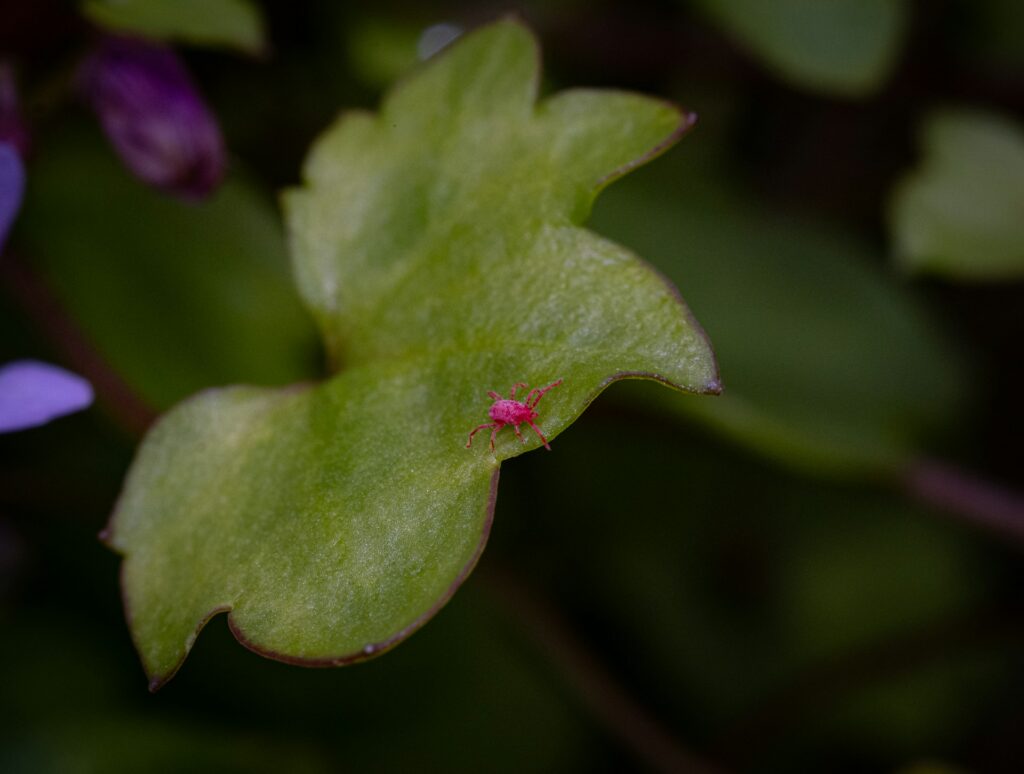
Outdoors, you’ll usually find them living on lawns, trees, and plants. Their numbers rise quickly in warm months, but when the weather cools, they often move inside, slipping through small cracks near windows, vents, or doors.
What Makes Your Property Attractive for Clover Mites?
Clover mites are usually found around certain plants and conditions near your home. They like grasses, clovers, and other low-growing plants because these give them plenty to feed on.
Moist areas also draw them in. Lawns that are watered too often or damp soil near your foundation can make the problem worse. Warm weather speeds up their activity too, so you’ll notice them more in spring, summer, and fall. They don’t care much for direct sunlight and instead stick to shaded areas, like the north side of buildings or under leaves.
Getting indoors is easy for them since they slip through tiny cracks around windows, doors, or walls. Closing up those gaps can cut down on infestations.
How to Get Rid of Clover Mites
a) Removing Clover Mites Inside Your Home
1. Vaccuming Where You’ve Seen Them
The first step is to vacuum the areas where you see clover mites. Pay attention to floors, windowsills, and walls so you clear away both the mites and their tiny red eggs. Try not to crush them while cleaning since that can leave red stains. Once you’re done, empty the vacuum bag or canister right away.
2. Use Soapy Water
A simple soapy water mix also works. Just combine mild dish soap with water and spray it on the mites. The solution breaks down their protective coating and dries them out on contact.
3. Food-Grade Diatomaceous Earth
Another option is food-grade diatomaceous earth. Sprinkling this fine powder indoors will damage their outer shell and cause them to dehydrate. Boric acid or even a powdered laundry detergent like Borax can do the same. You can sprinkle the powder on carpets, rugs, or furniture, or mix liquid detergent with water and spray it directly on the mites.
4. Insecticides
If the problem is heavier, insecticides made for indoor use, such as permethrin or bifenthrin, can be applied. Stick to the instructions on the label, focus on the most infested spots, and only repeat if necessary. Since these are stronger chemicals, use them carefully to keep your indoor air safe.
5. Call for Professional Pest Control
And if the mites keep coming back despite your efforts, it might be worth calling a licensed pest control professional. They’ll know how to handle the situation with more targeted treatments.
Although Alta Pest Control does not treat for clover mites, they have a partner service professional that does, and you can reach them at 844-495-1601. Additionally, their treatments are designed to be safe for children and pets while targeting clover mites at the source and addressing the conditions that attract them.
b) Controlling Clover Mites Around Your Yard
1. Target Eggs on Your Lawn
Clover mites often lay eggs in dry soil or spots that get a lot of sun. Watering those areas of your lawn helps stop the eggs from surviving.
2. Spray Garden Plants with Liquid Insecticides
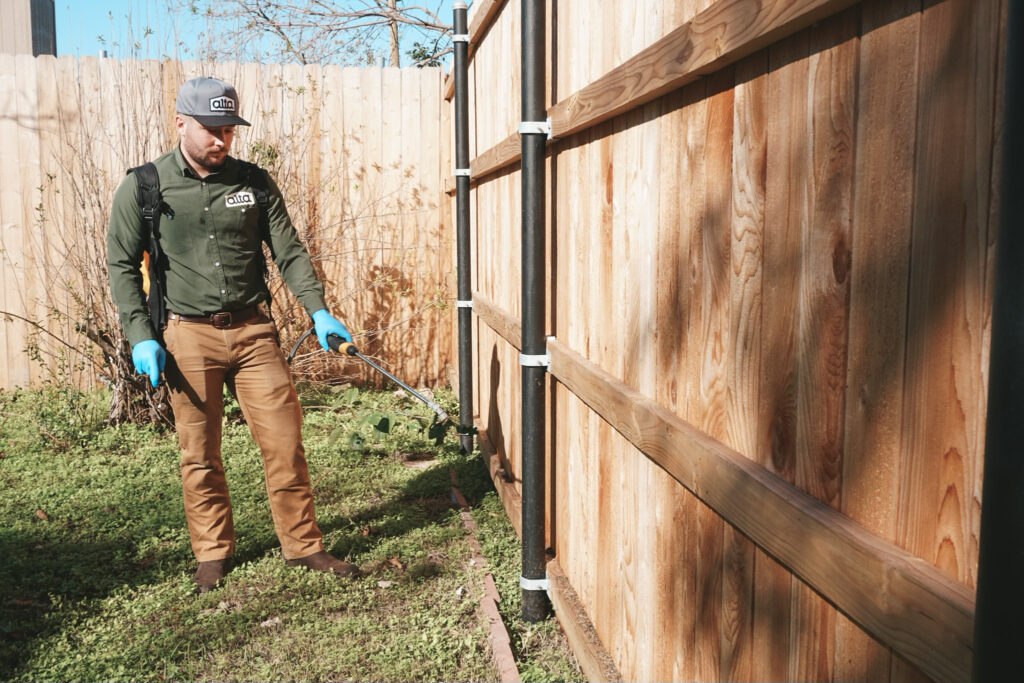
If you see mites on your plants, you can spray them with a liquid insecticide. Always follow the directions and spray in the cooler part of the day so the plants don’t get damaged.
3. Tidy Areas Around Your House
Try to keep the space around your house clean. Pick up fallen leaves, trim plants near your foundation, and clear away anything close to windows or vents. This takes away the dark, sheltered spots where mites like to hide.
4. Mow Lawn Regularly
Keeping your grass short also helps. Avoid planting clover or other plants they feed on. If mites keep showing up, switch to plants they don’t like as much, such as roses, geraniums, chrysanthemums, junipers, or yews.
5. Create a No-Plant Buffer Around the House
Another tip is to leave a strip of space around your home. Remove grass or plants within about 20 inches of the foundation and replace it with mulch or gravel. This makes it harder for mites to move indoors.
6. Bring In Professionals
If the infestation around your yard feels too big to handle, call a pest control professional. They can treat the problem more directly.
Are Clover Mites Dangerous?
Clover mites don’t bite, and they don’t spread diseases, so they aren’t a danger to people or pets. They feed on plants, not on you.
Still, they can be annoying if a lot of them end up inside. Crushing them can leave behind red stains on walls, carpets, or fabric, and those marks are hard to clean.
That’s why it’s better to deal with them quickly. Keeping them from getting in and cutting down their numbers outside will save you the hassle indoors.
How Long Do Clover Mites Remain Active?
Clover mites only live for about two weeks, but in that short time, each one can lay up to 70 eggs. Those eggs usually hatch and grow into adults within 1 to 3 weeks.
Their activity depends a lot on the weather. Very hot conditions can make both adults and eggs go dormant for a while, while cooler weather slows down their growth and can stretch their lifespan to several months. As long as they can feed on plant sap, clover mites will keep reproducing and remain active.
How to Prevent Clover Mite Infestations
- The best way to stop clover mites from getting inside is by sealing up small gaps. Check walls, doors, windows, and your foundation for cracks, then use caulk or weatherstripping to close them.
- Adding fine mesh screens to windows and doors also helps. You’ll still get fresh air, but mites won’t be able to sneak through.
- Keep areas where mites might gather clean. Wipe down windowsills and door frames, and vacuum up any mites you see indoors right away so they don’t spread.
- Mow your lawn often, pull weeds, and trim plants regularly. Try to keep shrubs and plants a bit away from your house since mites usually travel in from nearby greenery.
- Don’t overwater near the foundation, fix leaks quickly, and make sure water drains away from your home.
- It also helps to do regular checks around the outside of your house. Spotting clover mites early gives you a better chance of stopping a bigger infestation. They may look pretty similar to spider mites, so note the difference between the two.
Conclusion on How to Get Rid of Clover Mites
Clover mites may not cause harm to people or pets, but they can quickly become an annoyance when they invade in large numbers. Acting early with cleaning, lawn care, and sealing entry points helps you control them before they spread further. If the infestation feels too difficult to manage alone, professional pest control gives you lasting protection and peace of mind.
Share article: